When someone you love dies, you'll face an important choice about how to say goodbye. The main difference between direct cremation and an attended funeral is simple: with direct cremation, no one attends the actual cremation, whilst an attended funeral includes a formal ceremony where mourners gather to pay their respects. This decision affects not just the cost but also how you'll remember and honour the person who's died.
Direct cremation has become increasingly popular in the UK, now accounting for nearly 1 in 5 funerals. The cremation happens privately, and families receive the ashes to keep or scatter later. Many then choose to hold their own memorial service at a time and place that feels right for them. An attended funeral follows the traditional path, with a ceremony at a crematorium or church, a hearse, and the opportunity for mourners to be present when the coffin is committed. For a broader look at the choices available, our guide to cremation choices in the UK covers personalising a service and the paperwork involved either way.
Understanding what each option involves will help you make the right choice for your family. We'll walk you through the practical differences, what you can expect to pay, and how each approach allows you to create a meaningful farewell.
Understanding Direct Cremation and Attended Funerals
Direct cremation is when the cremation takes place without mourners present, while an attended funeral includes a ceremony where family and friends gather at a crematorium or place of worship. The choice between these two options affects timing, cost, and how you say goodbye.
How Direct Cremation Works
Direct cremation (also called unattended cremation) is the simplest form of cremation available. The funeral director collects the deceased from the place of death and transports them to the mortuary in a private ambulance rather than a traditional hearse.
The deceased is cared for at the funeral home until the cremation takes place. This includes mortuary care and preparation, though there is usually no viewing or opportunity to visit in a Chapel of Rest.
What happens during direct cremation:
The funeral director arranges all necessary paperwork
The deceased is placed in a simple, plain coffin designed for cremation
The cremation happens at a time chosen by the crematorium (often during quieter periods)
No mourners attend the committal
The ashes are returned to the family within 14 to 28 days
You cannot choose the specific time or date of the cremation with most providers. National direct cremation services often use centralized facilities rather than your local crematorium.
What Happens at an Attended Funeral
An attended funeral includes a formal ceremony led by an officiant, with mourners present to witness the committal. The funeral director organizes the service to take place at a specific time, usually at your local crematorium or a place of worship.
Key elements of an attended funeral:
Viewing: You can visit the deceased beforehand in the Chapel of Rest
Transport: A hearse carries the coffin, often followed by limousines for close family
Ceremony: A service lasting 20 to 45 minutes with readings, music, and tributes
Attendance: Family and friends gather to pay their respects
Committal: Mourners are present when the coffin passes through the curtains or is lowered
The funeral director handles all funeral arrangements, including coordinating with the crematorium, organizing pallbearers, and managing the order of service. You have more control over the coffin choice, flowers, and other details.
Attended cremation gives you less flexibility with timing but provides immediate closure for those who need to witness the farewell.
The Role of Funeral Directors and Crematoria
Funeral directors coordinate all aspects of funeral care regardless of whether you choose direct or attended cremation. They collect the deceased, provide mortuary care, complete legal paperwork, and liaise with the crematorium.
For direct cremation, the funeral director's role is more limited. They focus on the practical necessities: care of the deceased, transportation, and cremation arrangements. You have minimal contact with the funeral home compared to a traditional funeral.
For attended funerals, the funeral director takes on a much larger role. They help you plan every detail of the service, coordinate timing with the crematorium, arrange transport, and provide staff to act as pallbearers and support on the day.
The crematorium operates the cremation facility and provides the chapel space for attended services. With direct cremation, the crematorium works directly with the funeral director without family involvement. With attended funerals, you visit the crematorium for the service and may choose which local crematorium to use.
Both options require the same legal processes and medical certifications. The crematorium staff treat the deceased with equal dignity and care regardless of attendance.
Comparing Costs, Flexibility, and Personal Farewells
Direct cremation price and attended funeral costs differ significantly, and so do the ways you can say goodbye. Flexibility in memorial planning and support for the grieving process also vary between these two approaches.
Direct Cremation Price vs Attended Funeral Costs
Direct cremation costs start from around £695 and average £1,495 in 2026. An attended funeral averages £4,141. That's a difference of over £2,600.
What drives this gap? With an attended service, you're paying for crematorium chapel hire at peak times, a hearse and limousines, a higher-quality coffin for viewing, pallbearers, and the funeral director's time coordinating everything on the day. Direct cremations strip these elements away. You get a simple coffin, transport in a private ambulance, and cremation at a time chosen by the provider.
Cost Breakdown:
Service | Direct Cremation | Attended Funeral |
|---|---|---|
Average Cost | £1,495 | £4,141 |
Starting From | £695 | £2,500+ |
Chapel Hire | Not included | Included |
Hearse | Not included | Included |
Viewing | Usually not available | Often included |
Independent funeral directors may offer attended direct cremation options, which sit between these two extremes. These typically use early morning crematorium slots and allow a small number of mourners to attend at reduced cost.
Ceremony, Viewing, and Memorial Options
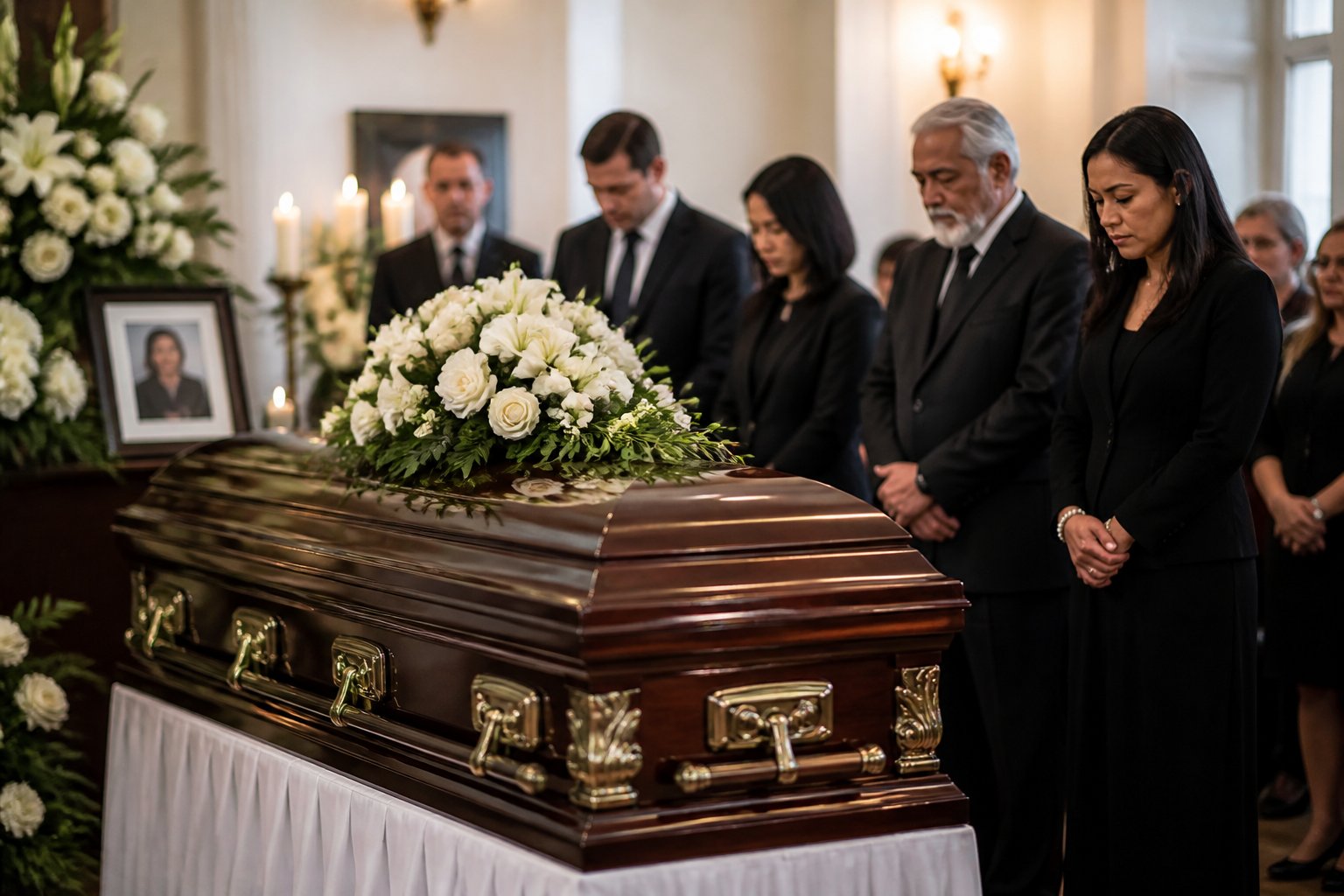
Traditional funerals include a formal ceremony with mourners present. You can have a viewing beforehand in the chapel of rest. The service follows a set structure with readings, music, and an officiant.
Direct cremations have no ceremony at the crematorium. There's usually no viewing. The cremation happens without mourners present.
However, direct cremation doesn't mean no farewell. You receive the ashes back (typically within 14 to 28 days) and can arrange a personalised memorial service whenever and wherever suits you. This might be a celebration of life at a beach, pub, or garden rather than a crematorium chapel.
Memorial flexibility with direct cremation:
Hold the service weeks or months later when distant family can travel
Choose any location that mattered to the deceased
Avoid the strict 30-minute crematorium time slots
Create a fully personalised event without traditional funeral customs
Some families hold two events: a small memorial service shortly after death, then a larger celebration of life later.
Choosing Between Simplicity and Tradition
Your choice depends on what feels right for your family and what the deceased wanted. Traditional funerals provide structure during a difficult time. They offer a clear ritual that many find comforting.
Direct cremations offer simplicity and remove the pressure of organising everything within days. If the deceased said "no fuss," this honours their wishes directly. Secular families often prefer this approach because traditional funerals can feel too religious or formal.
Ask yourself these questions:
Did they express a preference in their will or conversations?
Do you need to see the coffin commit for closure?
Would saving thousands of pounds prevent financial hardship or allow a better memorial?
Is your family spread across different countries?
Neither option is more respectful than the other. Both treat the deceased with complete dignity. The difference is entirely about ceremony and timing.
Supporting the Grieving Process
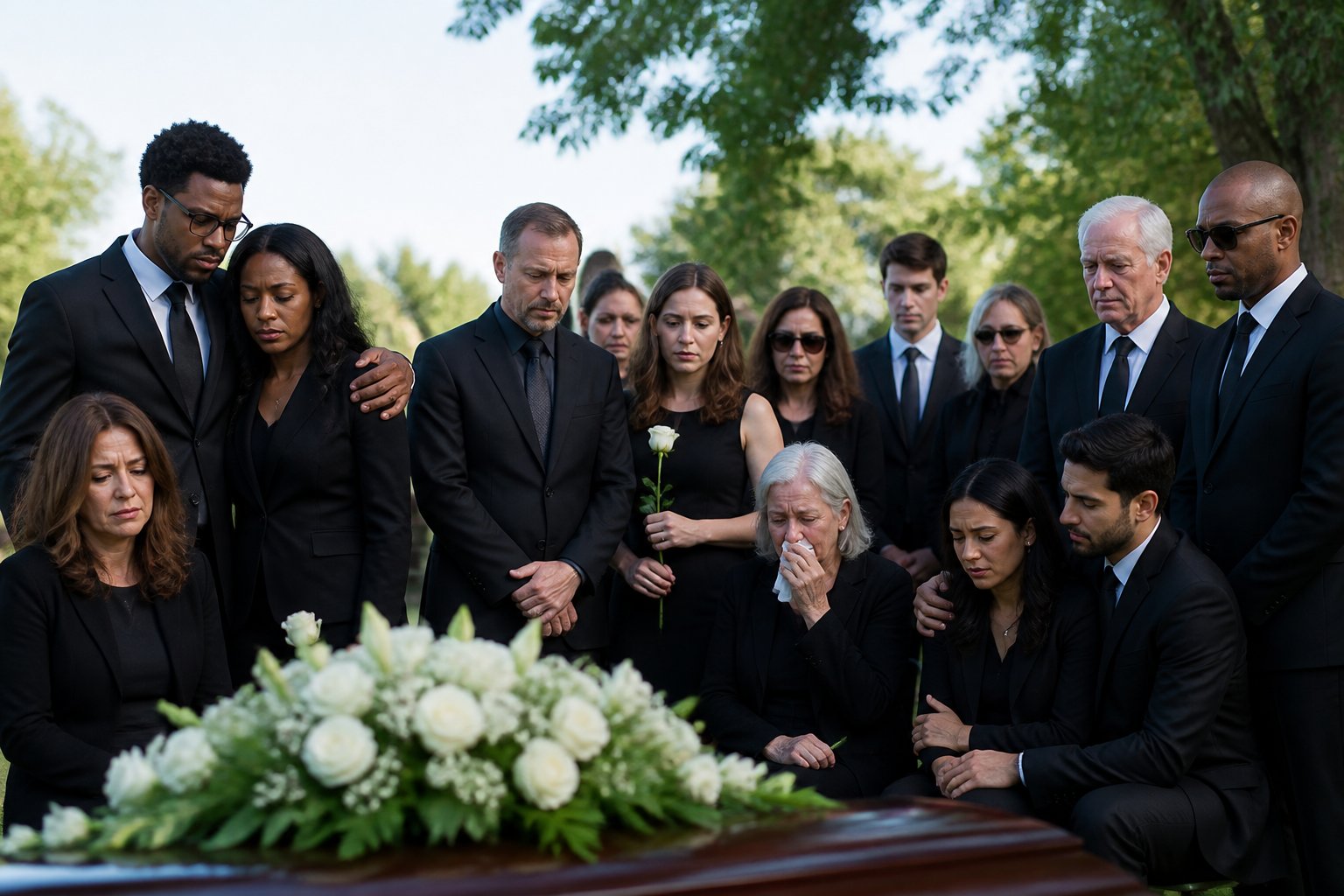
Some people need the immediate ritual of an attended funeral to process their loss. Seeing the coffin, hearing tributes, and gathering with others provides structure during shock and grief.
Others find traditional funerals rushed and stressful. Organising everything within a week whilst grieving can be overwhelming. Direct cremation removes this pressure and gives you time to plan something meaningful when you're ready.
The return of ashes creates a different focal point. Rather than burial or cremation being the final goodbye, collecting the ashes and later scattering or keeping them becomes part of your grieving journey. This extended timeline works well for some families but feels incomplete to others.
Consider what your family needs:
Immediate ritual and closure vs time to plan
Formal structure vs personal flexibility
Traditional gathering vs modern celebration of life
Fixed location vs meaningful place
Funeral planning should centre on what helps you and your family grieve healthily. There's no single right answer for everyone.
Frequently Asked Questions
People considering their options often have similar questions about what direct cremation includes, who can attend, and how costs compare. Here are the answers to the most common questions.
What does a direct cremation typically include?
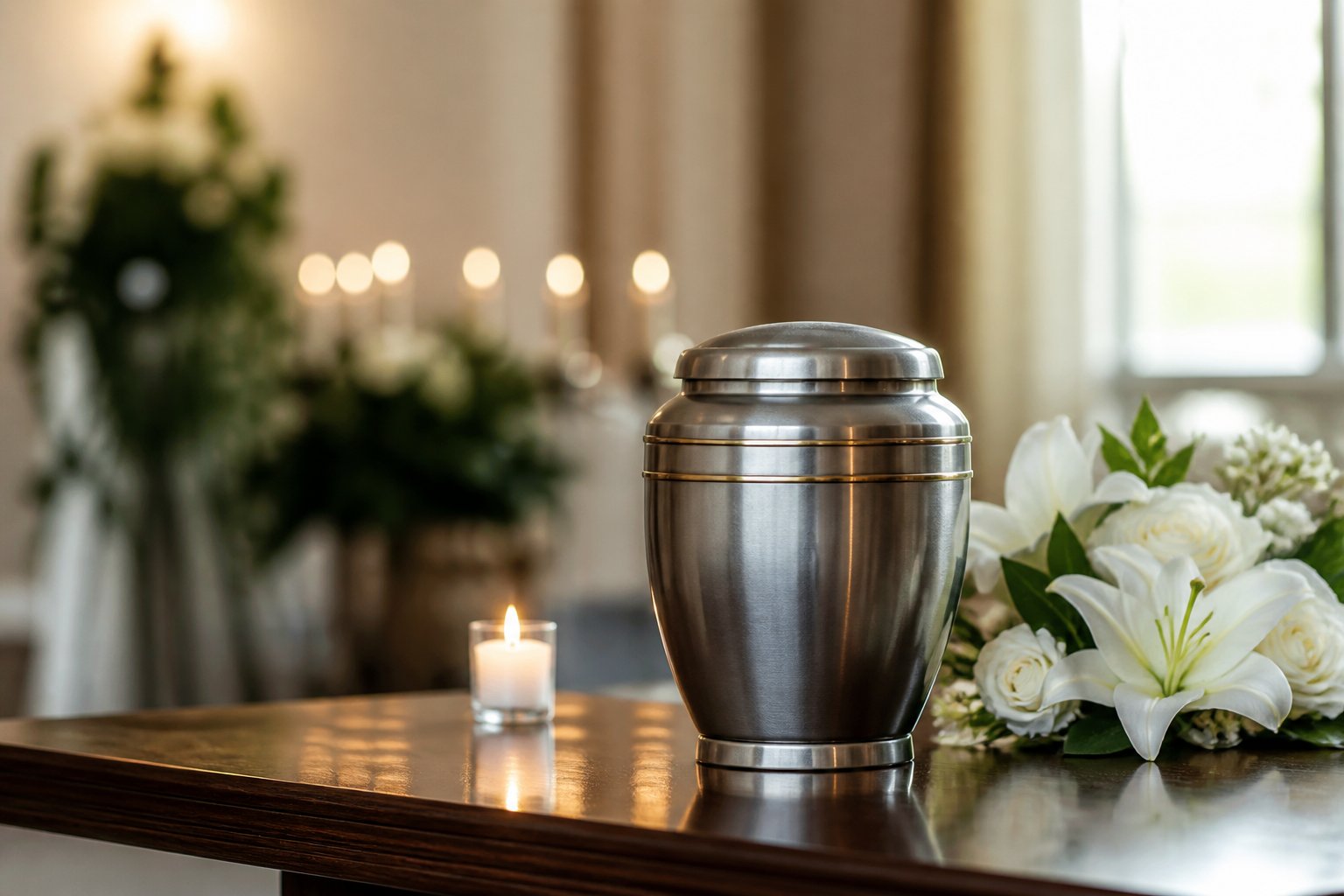
A direct cremation includes collection of the deceased, a simple coffin suitable for cremation, all legal paperwork and medical certificates, and the cremation itself. The cremation takes place without a ceremony or mourners present.
Most providers also include the return of ashes to your chosen address within two to four weeks. You need to check this is included in your package, as the cheapest options sometimes scatter ashes at the crematorium instead.
Transport is usually in a private ambulance rather than a traditional hearse. The coffin is plain and functional, designed for cremation rather than display at a service.
Can family and friends attend a direct cremation?
No, family and friends cannot attend a direct cremation at the crematorium. The cremation happens without mourners present, usually at a time chosen by the provider.
This is the defining characteristic of direct cremation. If you want people to attend the committal, you would need to book an attended cremation service instead.
However, you can hold a memorial service or celebration of life afterwards at any location you choose. This gives you complete flexibility over timing, venue, and format without the constraints of a crematorium booking.
How does the cost of a direct cremation compare with an attended funeral service?
Direct cremation costs around £695 to £1,495 on average in 2026. An attended funeral service costs around £4,141 on average.
The price difference reflects what you're paying for. With an attended funeral, you're paying for the crematorium chapel hire at peak times, a hearse and possibly limousines, a higher-quality coffin, staff to act as pallbearers, and the funeral director's time coordinating the ceremony.
Direct cremation removes all these elements. You're only paying for the essential cremation process itself, which is why it costs significantly less.
What are the main disadvantages of choosing a direct cremation?
The main disadvantage is that you cannot attend the actual committal or see the coffin enter the crematorium. For some people, witnessing this moment is important for closure.
You also give up control over timing and location. The provider chooses when and where the cremation happens, often at a centralised facility rather than your local crematorium.
There's usually no opportunity to view the deceased in a chapel of rest beforehand. The coffin is basic and plain, not designed for display or viewing.
You won't have a traditional funeral procession or hearse. Whilst transport is dignified, it's more discreet and doesn't include the ceremonial elements some families value.