
First Steps in Arranging a Funeral
When a loved one passes away, the path forward can feel unclear. Amid the grief, there are a few immediate and practical tasks that need attention. This initial part of funeral planning in the UK follows a clear legal process, and tackling these steps first provides a solid foundation for all other arrangements.
Here is a simple breakdown of what to do first:
Register the death. This is the first legal requirement and must be completed within five days in England and Wales, or eight days in Scotland. You will need to make an appointment at a register office, usually in the district where the death occurred. Remember to take the Medical Certificate of Cause of Death, which is issued by a doctor. Our detailed guide to registering a death covers this step in full.
Obtain the 'green form'. During the registration appointment, the registrar will issue a Certificate for Burial or Cremation. This document, often called the 'green form', grants official permission for the funeral to proceed. It is an essential piece of paperwork that you must give to your chosen funeral director.
Check for a will and any expressed wishes. Before making any decisions, it is important to locate the deceased's will. It may contain specific instructions about their preferences, such as whether they wanted a burial or cremation, or details of a pre-paid funeral plan they may have arranged. Honouring their wishes is the best way to begin.
Key Decisions on the Type of Service
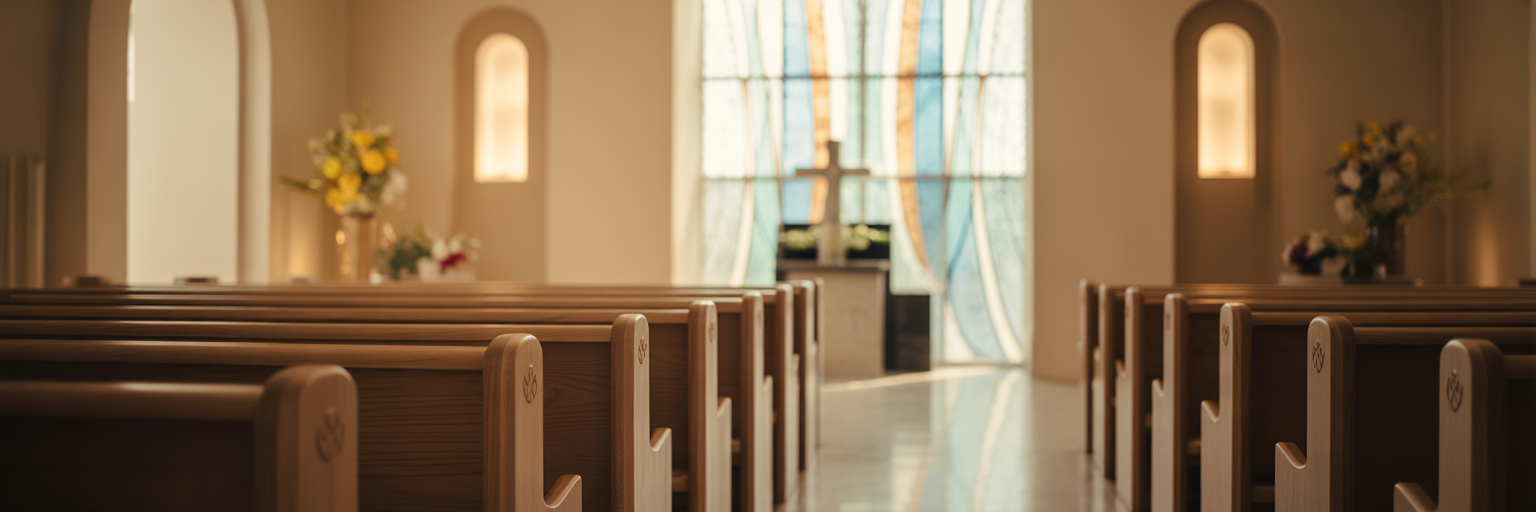
Once the initial legal requirements are met, the focus of how to plan a funeral shifts towards the nature of the service itself. This is a deeply personal choice, and there is no right or wrong answer. The decision often reflects the deceased's personality, beliefs, and the family's wishes for saying goodbye.
Burial vs. Cremation
The most fundamental choice is between burial and cremation. A burial involves laying the deceased to rest in a coffin in a plot, typically within a cemetery or a churchyard. Cremation is a process that takes place at a crematorium, after which the ashes can be scattered, interred, or kept by the family. In the UK, cremation is the more common choice, but the decision rests entirely on personal, cultural, or religious preferences.
Attended vs. Unattended Services
An attended service is what most people picture: a gathering of family and friends for a ceremony at a crematorium, church, or other venue. In contrast, an unattended service, also known as a direct cremation or direct burial, takes place without any mourners present. This straightforward option provides a simple, private, and lower-cost alternative, allowing families to remember their loved one in their own way at a separate time. Our guide to direct cremation vs attended funerals and our compassionate guide to cremation choices can help you make a choice that honours your loved one appropriately.
Alternative and Natural Options
For those seeking an environmentally conscious farewell, woodland or natural burials are an increasingly popular choice. These services take place in natural burial grounds, with a focus on preserving the landscape. They often involve biodegradable coffins and simple, nature-based memorials instead of traditional headstones.
Feature | Attended Service (Burial or Cremation) | Unattended Service (Direct Cremation/Burial) | Natural/Woodland Burial |
|---|---|---|---|
Ceremony | Formal service with mourners present | No service or ceremony takes place | Often a simple, informal graveside service |
Cost | Higher, includes venue and service costs | Lowest cost option | Variable, can be comparable to traditional burial |
Personalisation | Highly customisable (music, eulogies, flowers) | No personalisation of a service | Focus on nature; restrictions on memorials |
Attendance | Family and friends gather to mourn together | No mourners are present | Family and friends can attend the burial |
Navigating Legal and Financial Aspects
Understanding the costs associated with a funeral is a key part of any funeral arrangements guide. Transparency is vital, and a clear picture of the expenses can help reduce stress during a difficult time. Funeral costs are generally broken down into two main parts: the funeral director's professional fees for their services and third-party costs, often called disbursements.
Our guide to funeral disbursements covers these fees paid to others on your behalf, such as crematorium or cemetery fees, doctor's fees for certification, and payment for a minister or celebrant, in more detail. When it comes to paying for the funeral, there are several avenues to explore. First, check if the deceased had a pre-paid funeral plan or a life insurance policy that could cover the costs. If not, the funds can usually be paid from the deceased's bank account once the provider is notified.
For those on certain benefits, government assistance may be available. The Funeral Expenses Payment can help cover some of the costs, though eligibility depends on your circumstances. For detailed criteria, it is best to consult the official government source. As highlighted by GOV.UK, specific conditions must be met to qualify for this support. Every funeral director must also provide a CMA Standardised Price List, and our guide to planning a funeral on a budget has further ways to manage costs. To ensure complete clarity, always ask your funeral director for a detailed, itemised quote before committing. This ensures there are no surprises and you understand exactly what you are paying for.
How to Select a Funeral Director

After addressing the financial aspects, the next step is choosing funeral services and the professional who will guide you through them. A funeral director does more than just manage the practicalities; they provide support, guidance, and care, allowing you and your family to focus on grieving and remembering. Making a considered choice here is important, as the right person can ease much of the burden.
When looking for a funeral director, check for membership in professional bodies like the National Association of Funeral Directors (NAFD) or The National Society of Allied and Independent Funeral Directors (SAIF). These memberships are not just logos on a website; they signify a commitment to a strict code of practice and high standards of care. You will also find a difference between large corporate chains and smaller, independent firms. While chains operate nationally, independent funeral directors are often family-run businesses deeply rooted in their local communities. They may be able to provide a more personal, flexible, and compassionate service tailored to your family's specific needs.
Our guides to choosing an independent funeral director and finding a compassionate funeral director go into this in more detail. We believe that finding a trusted, independent professional in your community can make all the difference during a difficult time. Our network is designed to help you connect with these dedicated individuals. You can start your search on our homepage to find local directors committed to providing personalised care. We recommend speaking with a few different directors. It allows you to compare not just their prices, but also their approach and whether you feel a sense of comfort and trust with them. This rapport is often the most important factor.
Creating a Personal and Meaningful Farewell
With the practicalities handled, you can turn your attention to what truly matters: creating a farewell that honours the unique life of the person you have lost. This part of the funeral arrangements guide is not about following rules, but about reflecting a personality and sharing memories. Personal touches transform a service from a sombre event into a heartfelt celebration of life.
Even small details can make a service deeply personal. Here are a few ideas to consider:
Music and Hymns: Choose songs or pieces of music that were special to your loved one. It could be a favourite classical piece, a pop song that always made them smile, or a hymn that brought them comfort.
Eulogies and Readings: Sharing stories is one of the most powerful ways to remember someone. You could write a tribute yourself, ask a confident friend or family member to speak, or select a poem or reading that captures their spirit.
Visual Tributes: A simple display of photographs at the service or a slideshow set to music can evoke warm memories and help guests reflect on happy times.
Meaningful Details: Think about their passions. Were they a keen gardener? You could choose their favourite flowers. Did they love a particular football team? Incorporating team colours into the order of service can be a touching nod to their life.
The most meaningful farewell is one that feels authentic. For more ideas on how to tailor a service, you can explore different approaches to funerals to find inspiration that feels right for you and your family.
Considering Your Own Future Arrangements

While planning a funeral for a loved one, many people naturally start to think about their own wishes. Taking the time to consider your own future arrangements is not a morbid task; it is an act of profound kindness for your family. This proactive step in funeral planning provides peace of mind and removes a significant emotional and financial weight from your loved ones when the time comes.
There are two main ways to do this. You can arrange a formal, pre-paid funeral plan, which locks in the costs of the director's services at today's prices and details your arrangements. Alternatively, you can simply document your wishes in a letter to be kept with your will. This document can serve as a helpful funeral checklist for your family, outlining your preference for burial or cremation, the type of service you would like, and even choices for music or readings. Whichever path you choose, this thoughtful planning ensures your final wishes are known and respected.