Arranging a funeral is one of life's most profound and challenging tasks. Amid the emotional weight of this moment, the choices you make can feel overwhelming. Yet, choosing an eco-friendly service is not about adding complexity. Instead, it can be a deeply meaningful way to honour a loved one's connection to the natural world and reflect their values.
An 'eco-friendly' or 'green' funeral in the UK is simply a service designed to minimise its environmental footprint. This is achieved through the use of sustainable materials and processes that allow for natural decomposition. The growing interest in these services reflects a wider desire for more personal and environmentally conscious end-of-life tributes.
Choosing sustainable funeral services allows a final act to be one of care for the planet. The two primary paths for this are natural burial and greener cremation alternatives. Both offer a gentle way to say goodbye, ensuring a legacy that is both personal and positive. This guide is here to walk you through these choices with clarity and compassion.
The Principles of Natural Burial
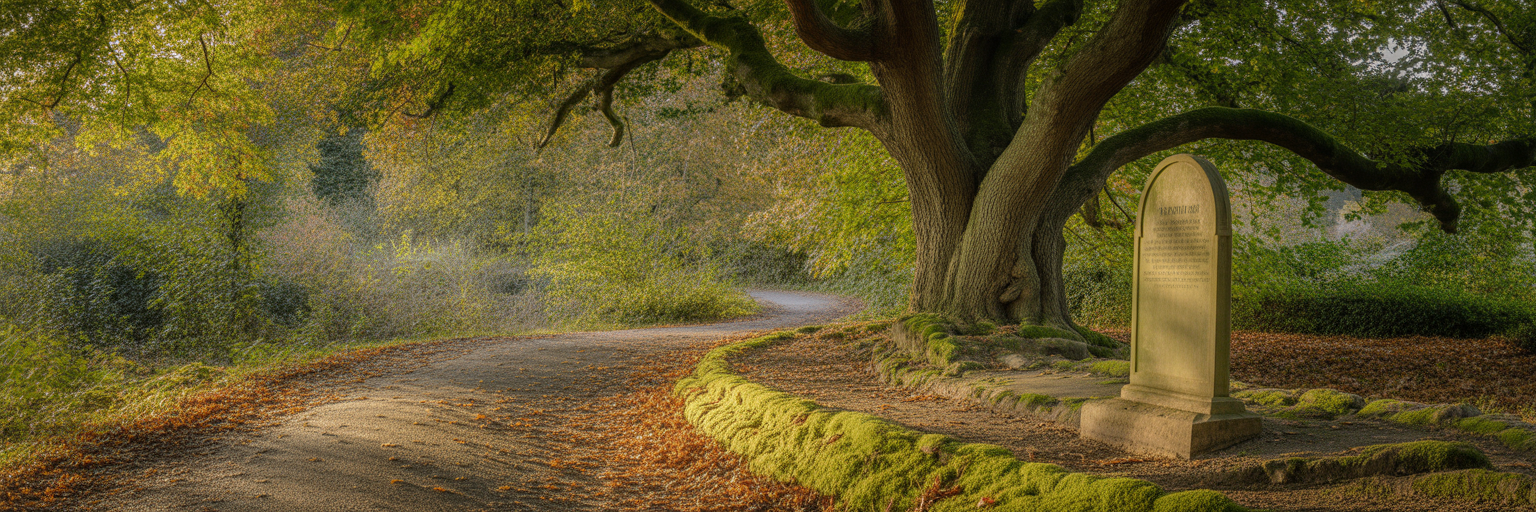
A natural burial is quite different from what many picture when they think of a traditional cemetery. Instead of rows of headstones, imagine a protected woodland, a wildflower meadow, or a peaceful orchard. There are over 270 of these dedicated natural burial grounds UK wide, each offering a serene final resting place that supports the local ecosystem.
The core principle is to return to the earth as naturally as possible. To achieve this, embalming fluids, which contain chemicals that can harm the soil, are not permitted. The focus is on using materials that are entirely biodegradable and sustainably sourced. This ensures the process is gentle on the environment. Common choices include:
- Willow or bamboo coffins, which are woven from fast-growing, renewable plants.
- Coffins made from FSC-certified timber or recycled cardboard.
- Simple shrouds made from natural, biodegradable fabrics like wool, linen, or cotton.
This choice creates a powerful, living legacy. Each burial contributes to the preservation and restoration of a natural habitat, turning a place of remembrance into a protected space for wildlife and future generations to enjoy. Understanding the full range of available funeral types can help you decide if a natural burial aligns with your wishes and values.
Greener Alternatives to Cremation
Cremation is a common choice, selected for around 78% of funerals in the UK. However, the high energy consumption and carbon emissions associated with the process are a valid concern for many. Fortunately, there are gentler alternatives emerging that honour both the deceased and the environment.
One such alternative is resomation, often known as water cremation UK. This process uses a gentle solution of water and alkali to accelerate the natural breakdown of the body, rather than using flame. It significantly reduces a funeral's carbon footprint, though its availability is still growing across the country. It offers a peaceful option for those who prefer cremation but want a more sustainable method.
Beyond resomation, traditional crematoria are also making positive changes. Some are installing electric cremators powered by renewable energy, which can cut emissions substantially. You can also make a standard cremation more eco-conscious through thoughtful choices. Opting for a coffin made from sustainable materials like FSC-certified wood, bamboo, or even recycled cardboard can make a significant difference. These practical steps allow you to reduce the environmental impact while still honouring your loved one's wishes for cremation.
Comparing the Costs of a Green Funeral
When considering a green funeral, many people assume it will be more expensive, but that is not always the case. The cost of a green funeral can often be lower than a traditional one, primarily because it avoids some of the more costly elements like ornate coffins, headstones, and embalming.
A natural burial plot, for example, is often more affordable than a traditional cemetery plot. However, because there is no single definition of a 'green funeral', costs can vary widely depending on the choices you make. The most important step is to ask your funeral director for a fully itemised quote, including funeral disbursements, to ensure complete transparency. This allows you to see exactly what you are paying for and make informed decisions. To better understand how these costs fit into different service packages, you can explore the main categories of our funeral arrangements.
| Service/Item | Traditional Burial (Estimated Cost) | Natural Burial (Estimated Cost) |
|---|---|---|
| Burial Plot | £2,000 - £9,000+ | £1,000 - £3,500 |
| Coffin | £800 - £2,000 (Veneered/Solid Wood) | £300 - £900 (Willow/Cardboard) |
| Headstone/Memorial | £1,000 - £3,000+ | £0 - £300 (Simple wooden marker or no marker) |
| Embalming | £100 - £250 | Not permitted |
Note: Costs are estimates and can vary significantly based on location within the UK and the specific funeral director chosen. These figures exclude funeral director's professional fees.
Essential Legal Steps and Forward Planning
It is reassuring to know that the core legal requirements for arranging an eco funeral are exactly the same as for any other funeral in the UK. A death must be registered, and the necessary permissions must be obtained from the burial or cremation authority. A good funeral director will guide you through this paperwork, ensuring everything is handled correctly and with care.
The most helpful thing you can do is plan ahead. Documenting your wishes removes the burden of guesswork from your family during an already difficult time. You can include these details in your will or, for more personal touches, in a separate 'letter of wishes'. This ensures your preferences are known and respected. Consider including:
- Your preference for burial or cremation, and if cremation, your wishes for the ashes.
- The specific type of sustainable coffin or shroud you would like.
- The name of your preferred natural burial ground, if you have one.
- Any wishes regarding the service itself, such as music, readings, or a request for no embalming.
The first legal step after a death is to register it, which is a straightforward process. You can find detailed guidance on the official government website.
Finding a Compassionate Green Funeral Provider
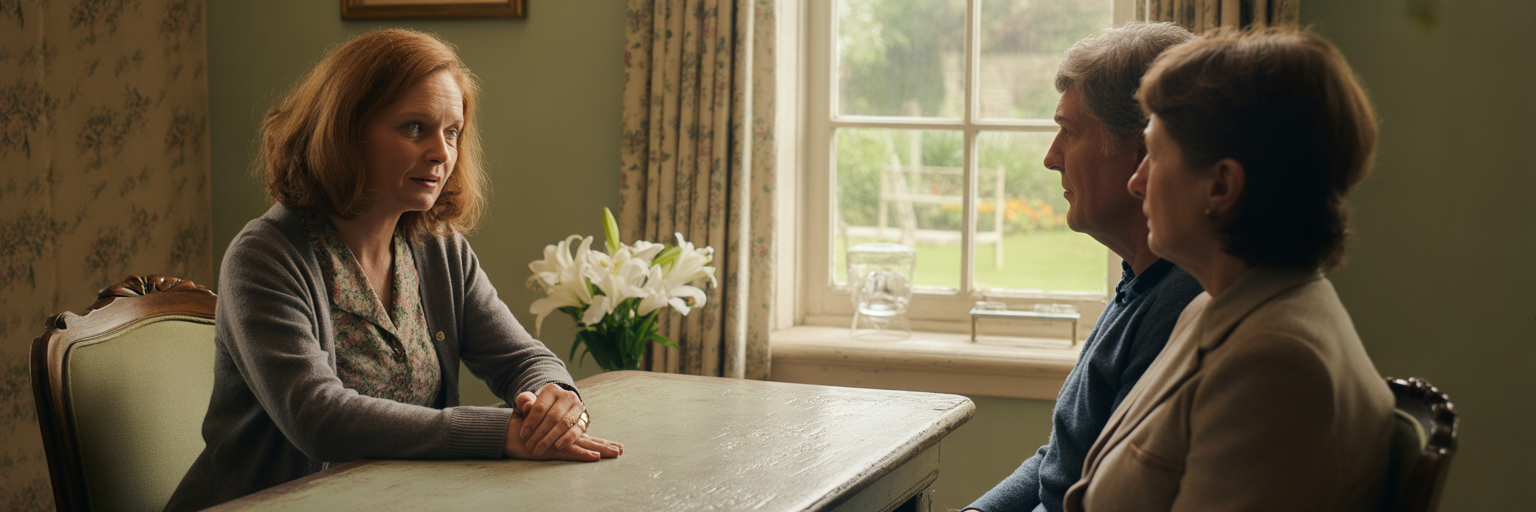
Finding the right support is essential when arranging a funeral that reflects your values. Look for a funeral director who is open and transparent about their eco friendly funeral options UK and their network of suppliers. An informed conversation can bring great peace of mind, so do not hesitate to ask direct questions.
To ensure you are making the right choice, consider asking a potential funeral director:
- Which natural burial grounds do you work with?
- What is your range of biodegradable coffins and shrouds?
- Can you explain the environmental policy of your partner crematorium?
- Are you able to provide a fully itemised quote for an eco-friendly service?
Using trusted, independent resources can also help you verify credentials. To find accredited sites and ethical providers, consult the register held by The Natural Death Centre, a leading UK charity for natural end-of-life choices. Navigating these choices is easier with the right support. Trusted Funeral Directors helps you connect with compassionate, independent professionals across the UK who can guide you through every step, ensuring your loved one receives a farewell that is both dignified and true to their spirit.